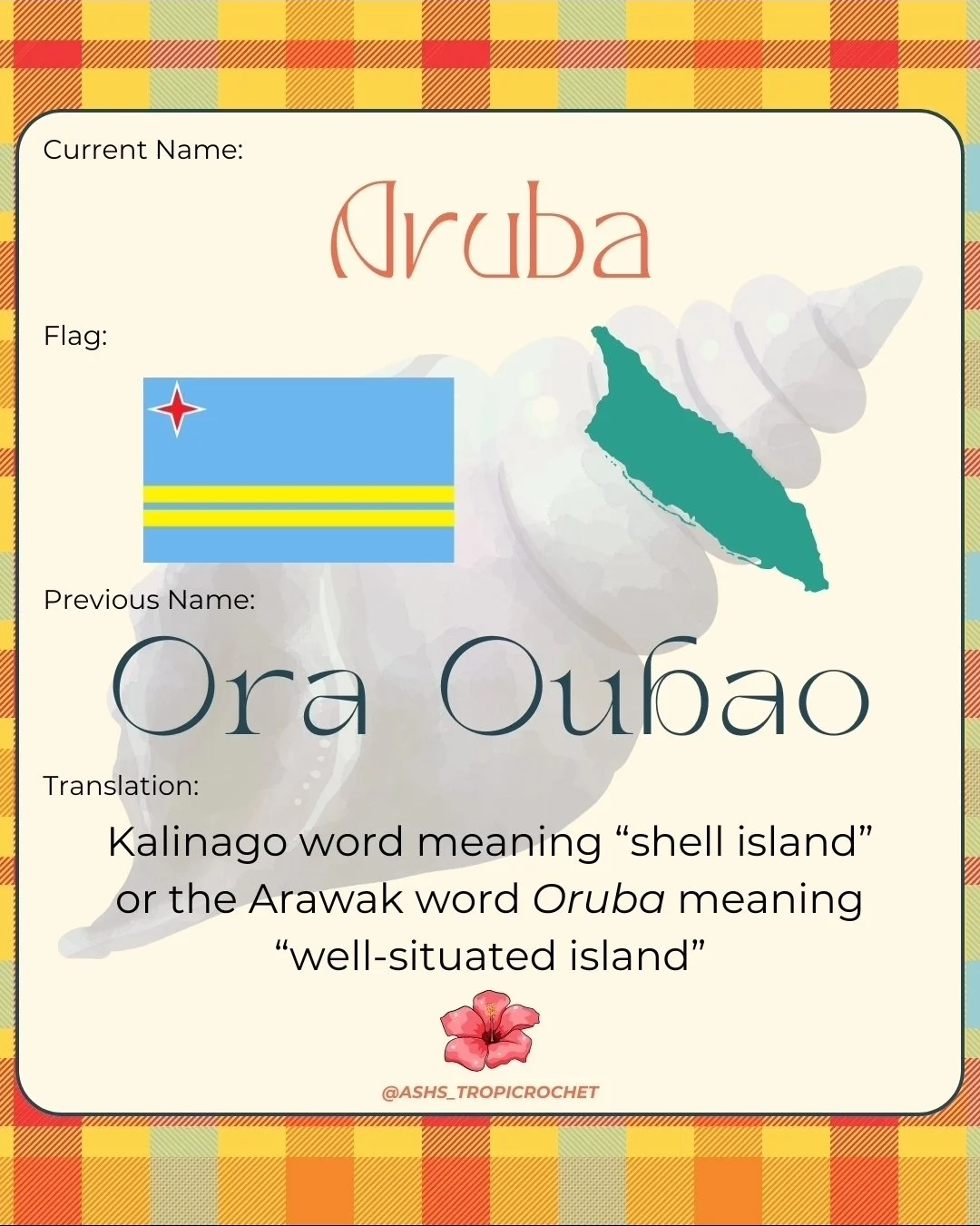
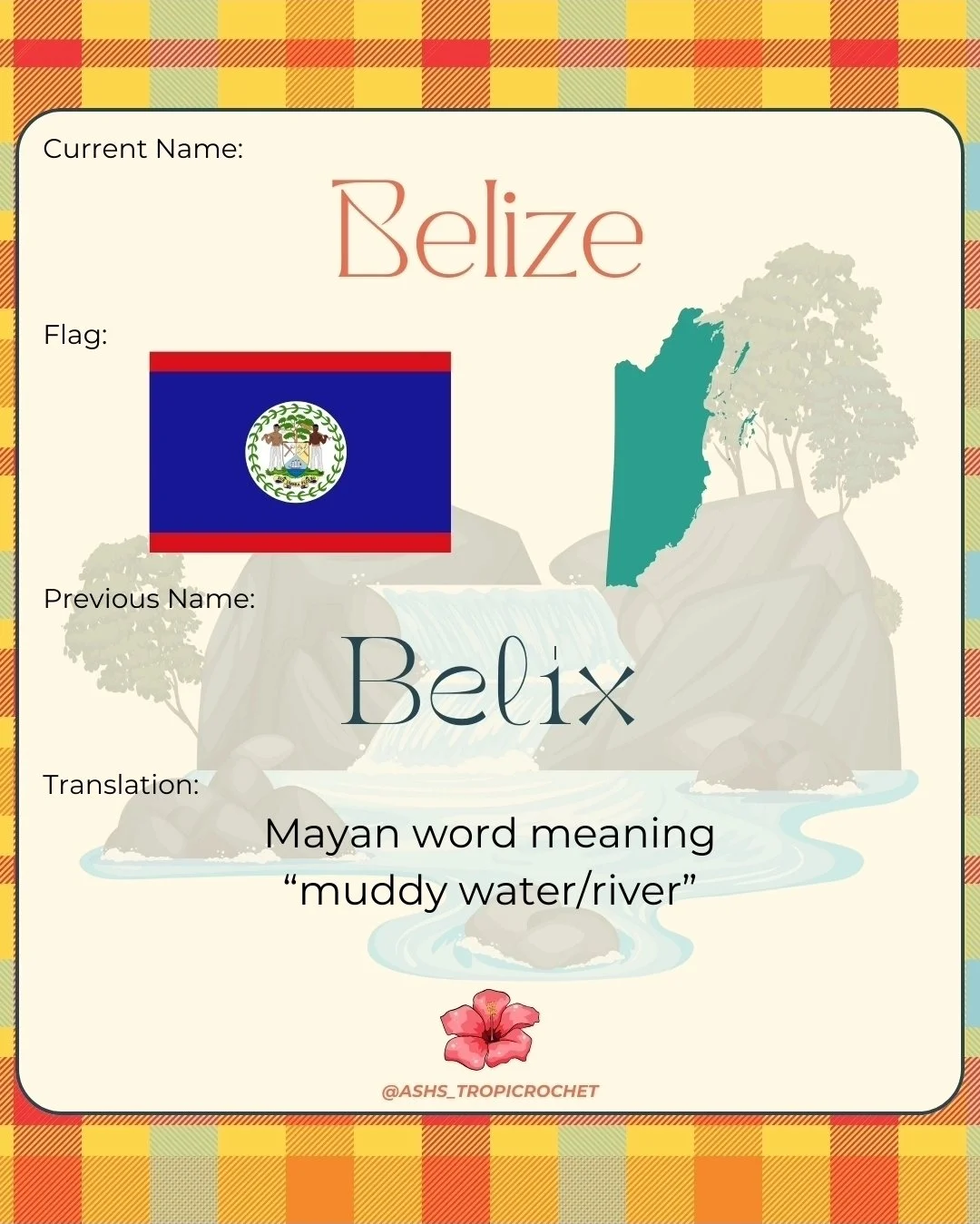
Discovering Indigenous Island Names: The West Indies Before European Arrival
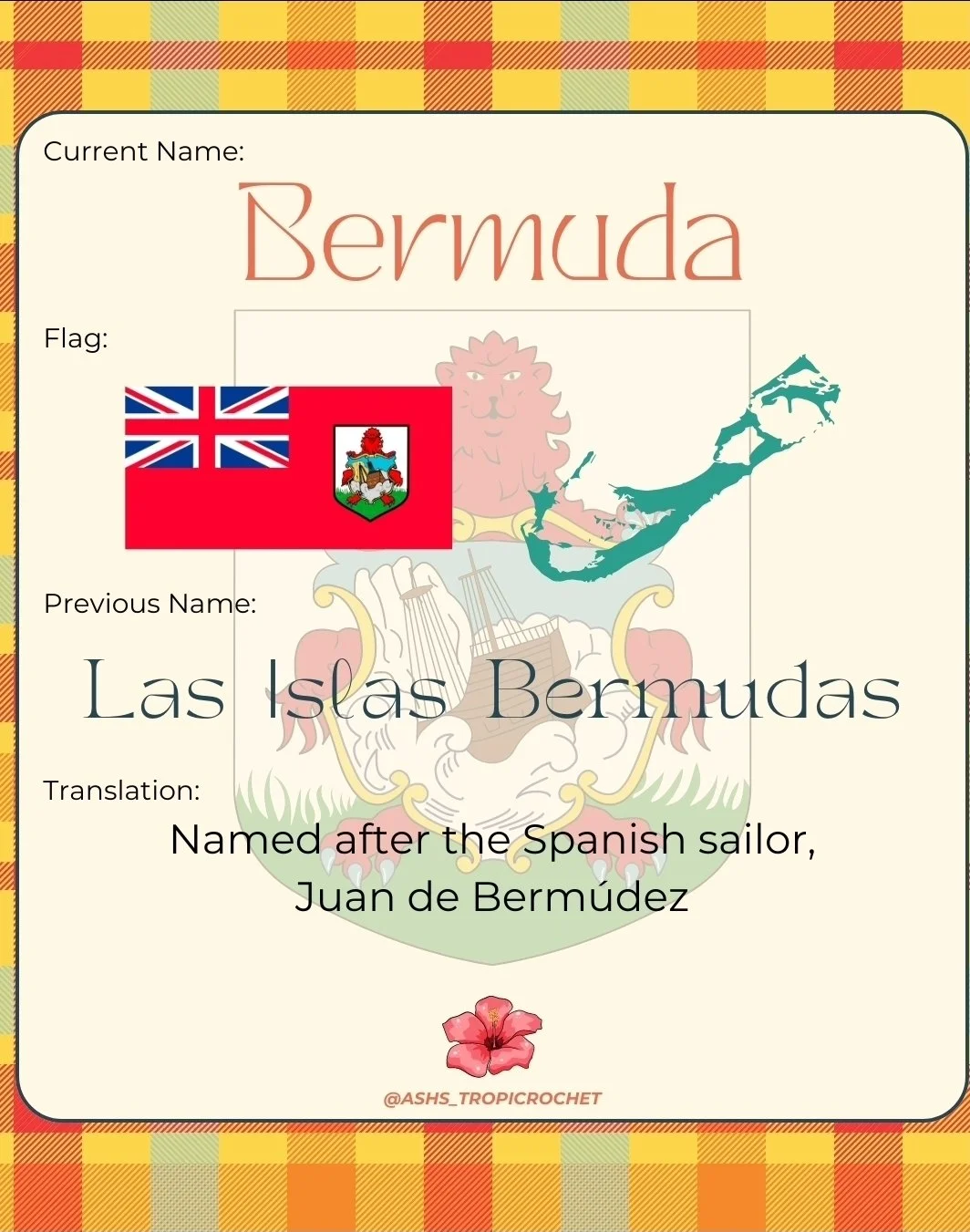
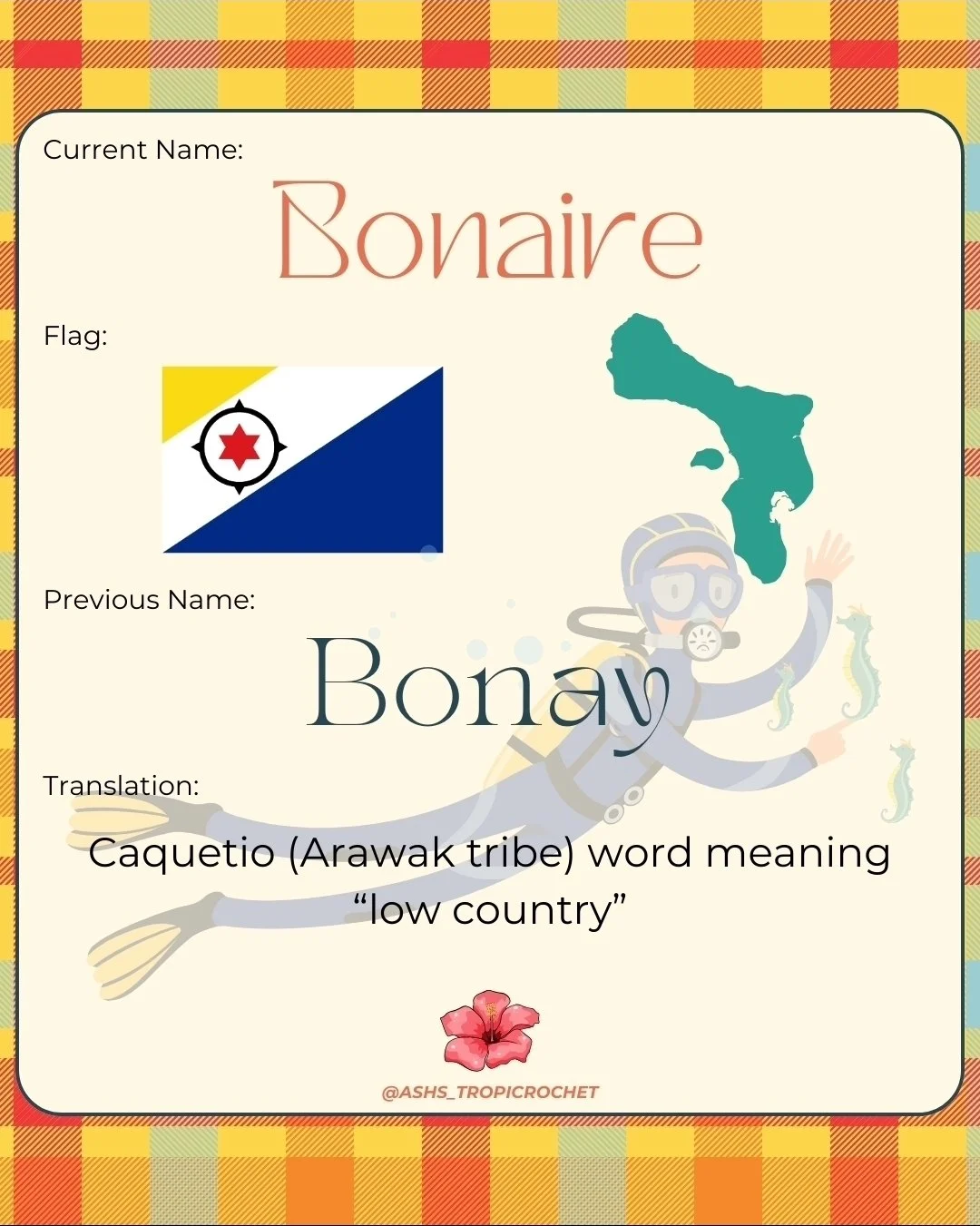
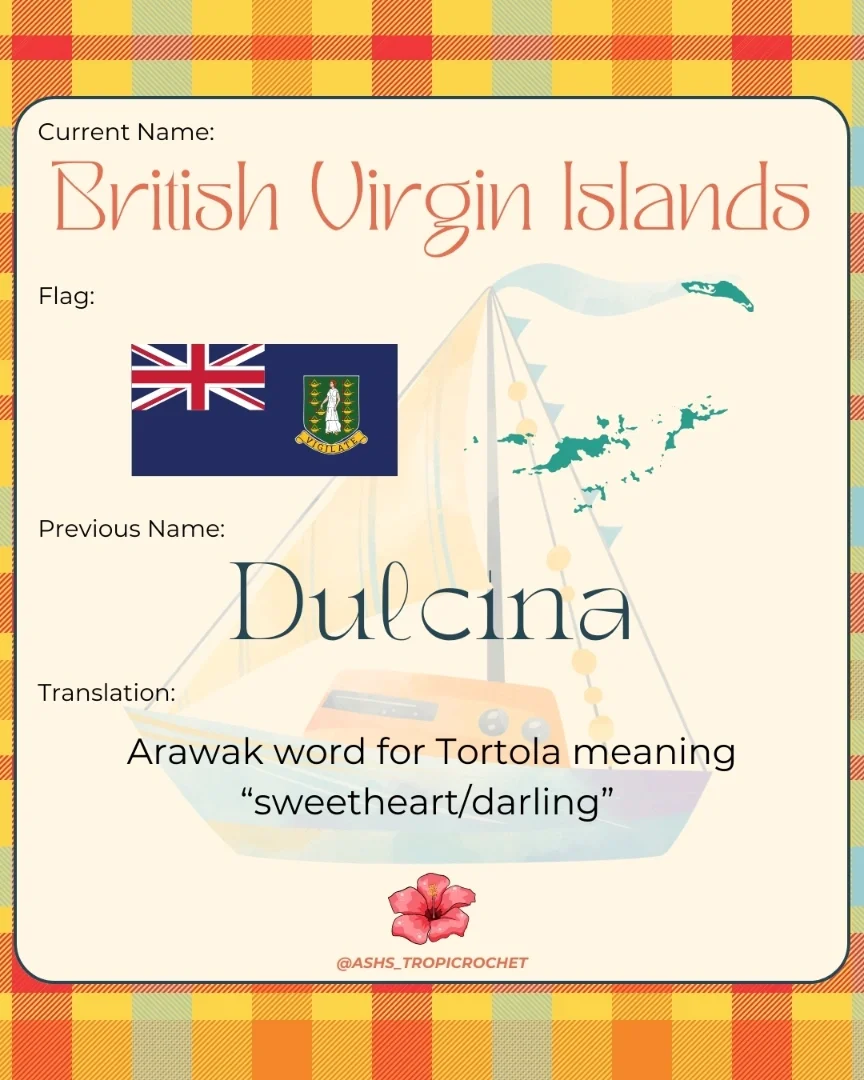
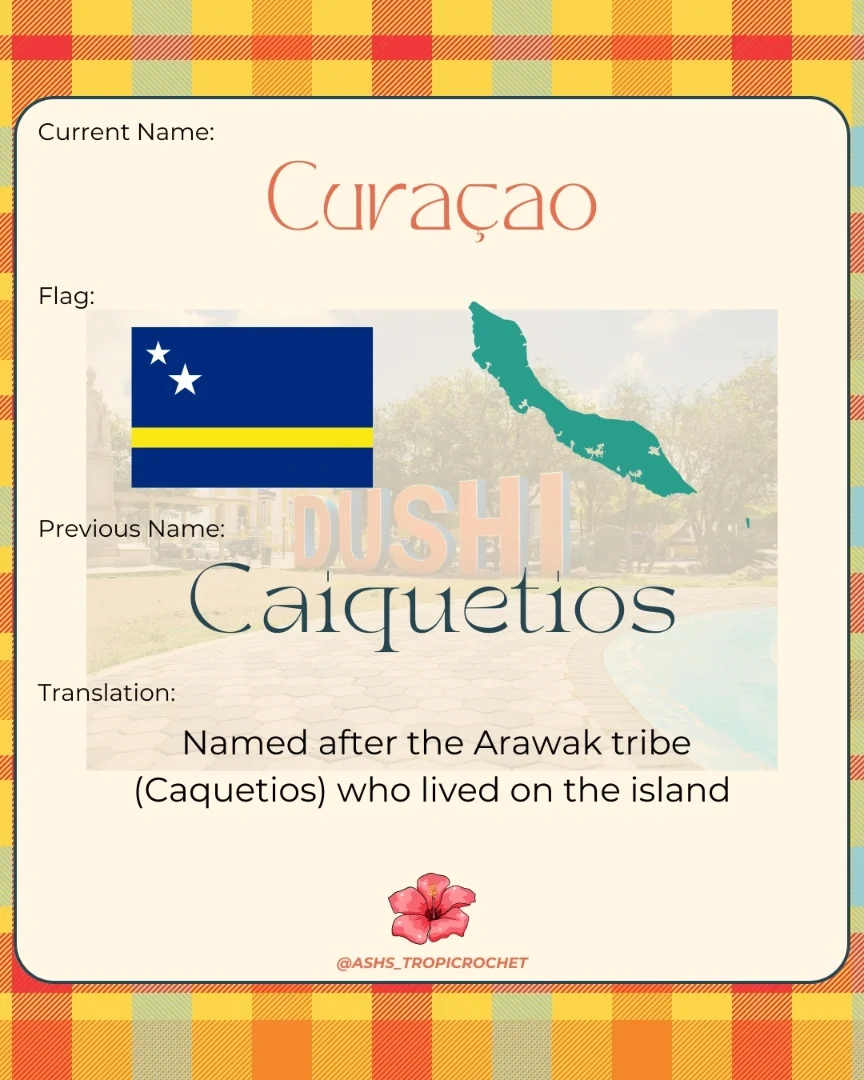
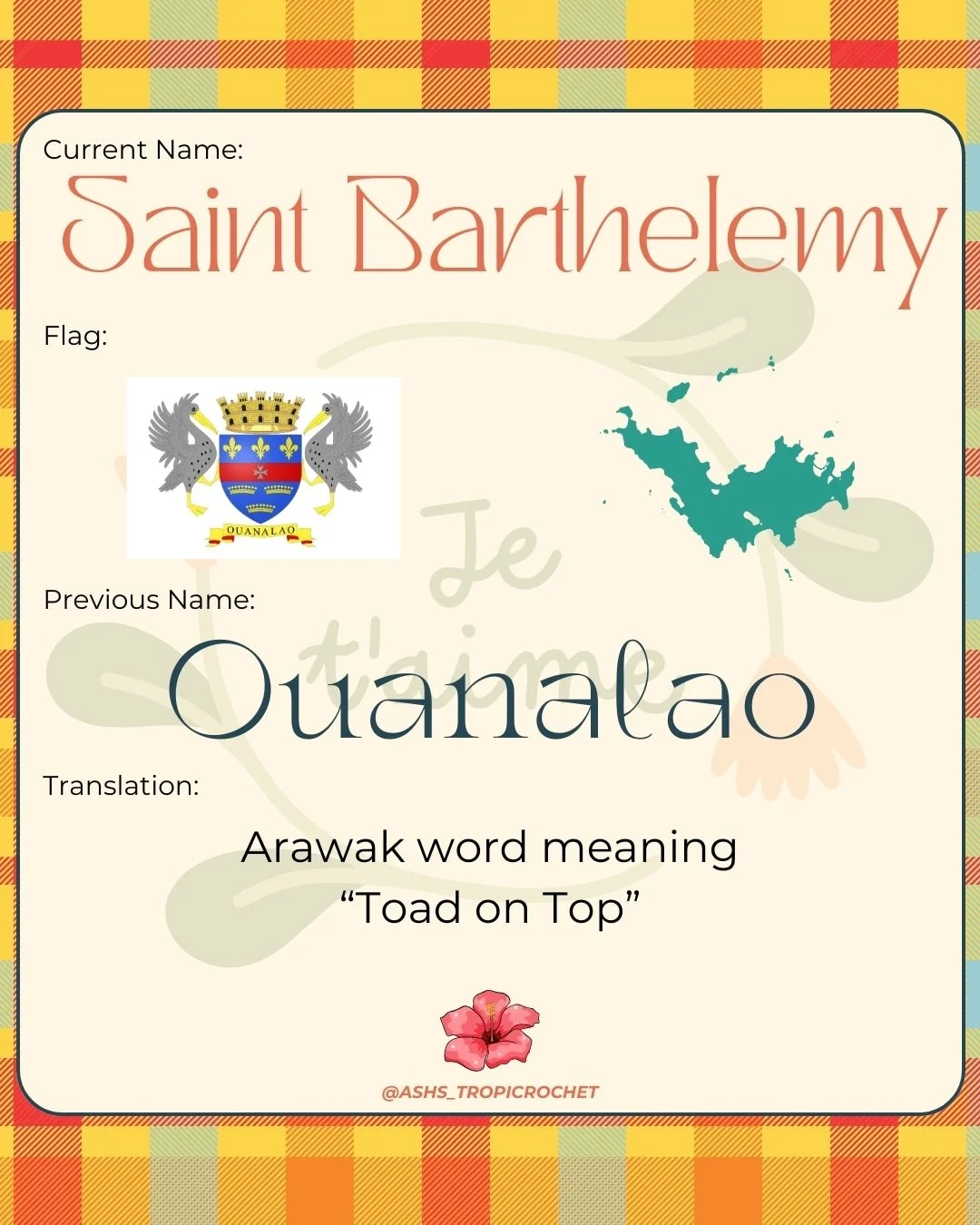
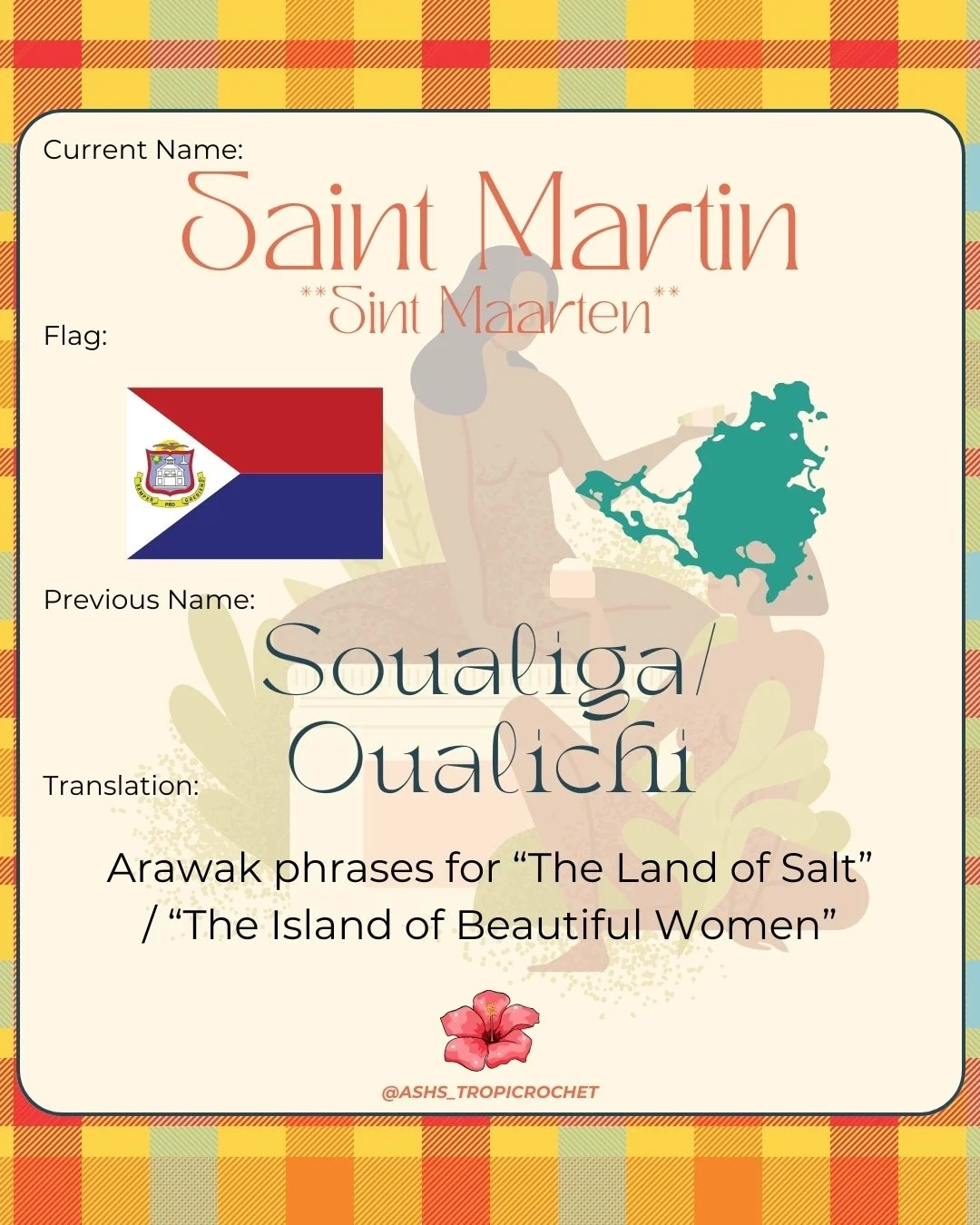
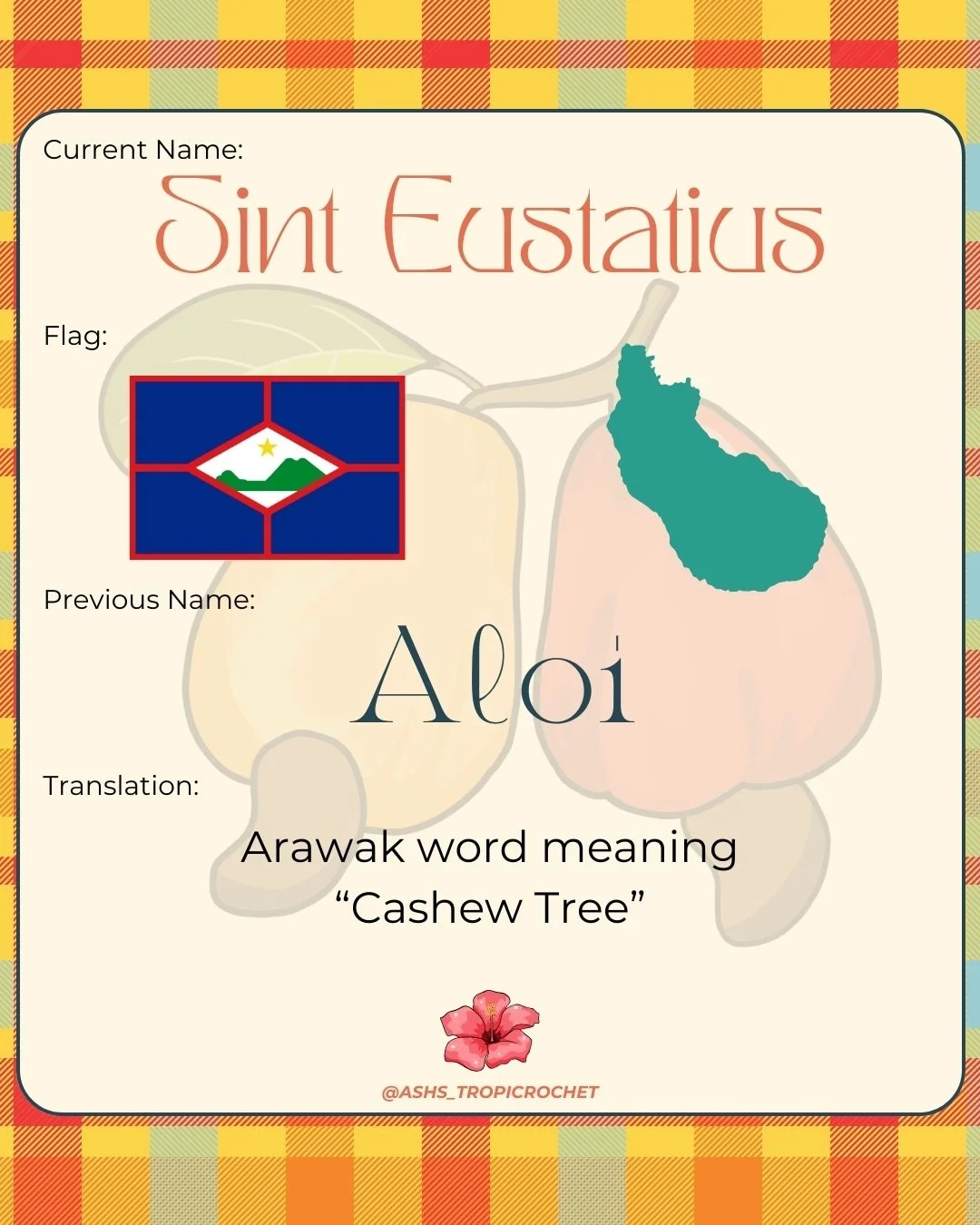
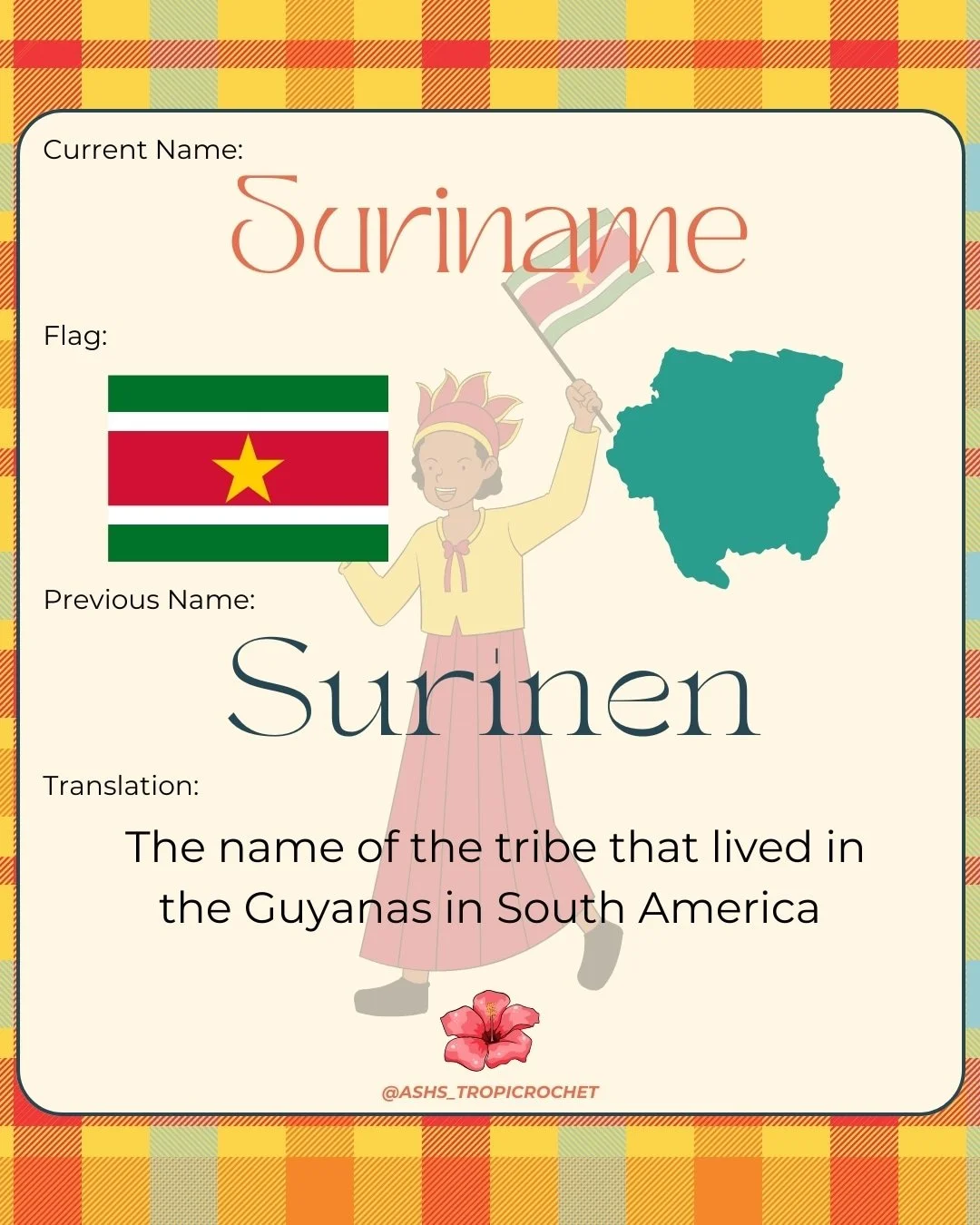
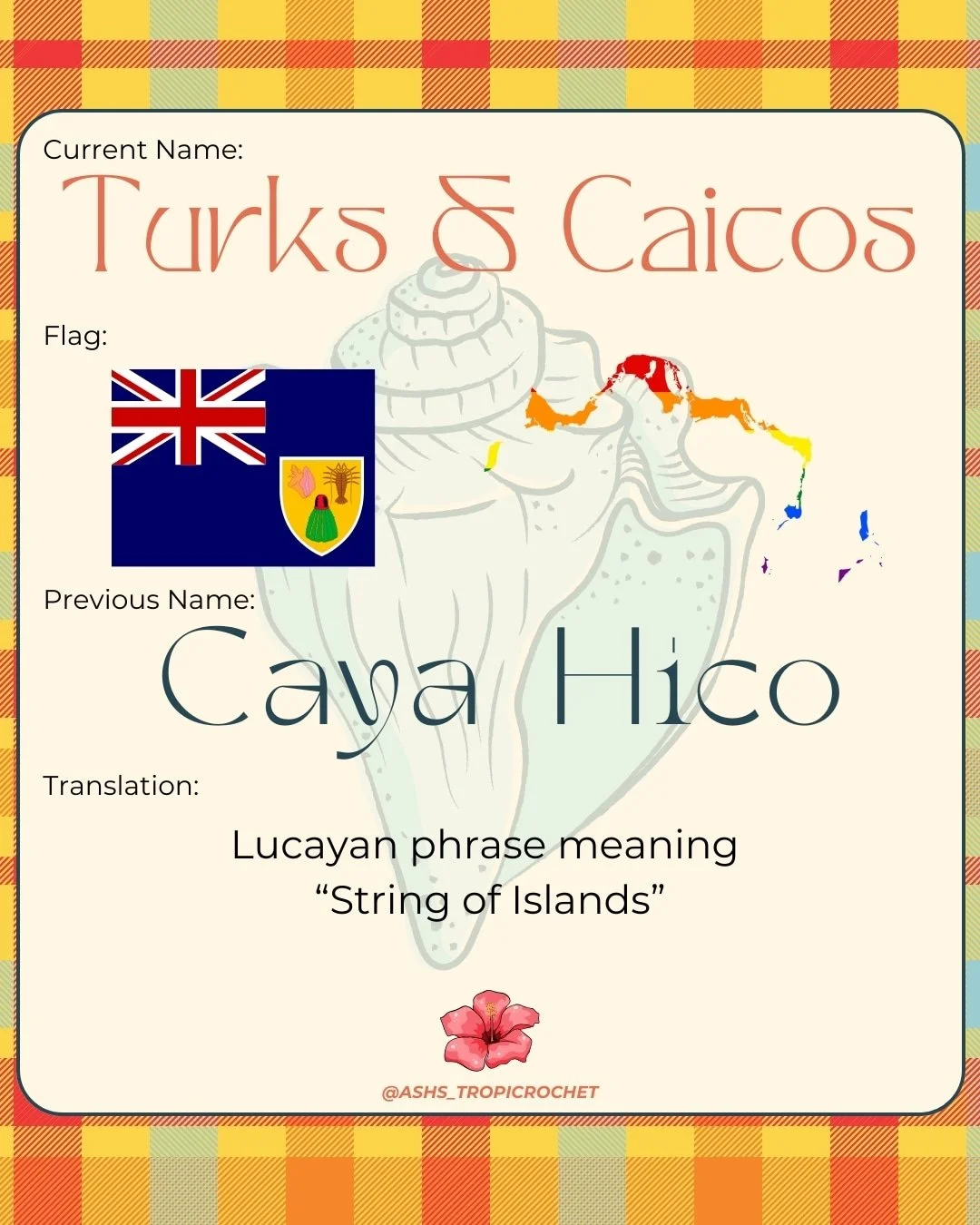
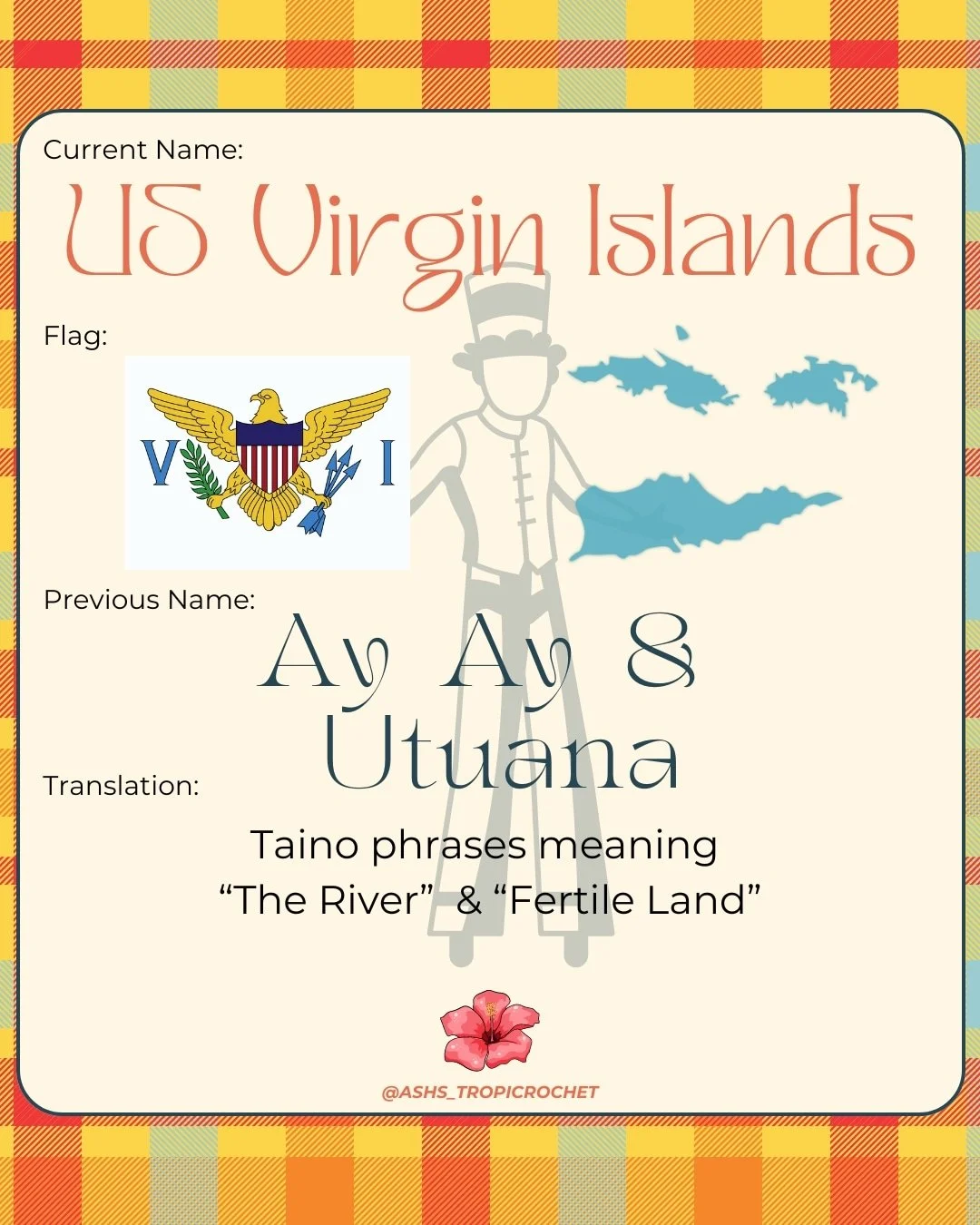
Long before 1492, none of these islands were nameless. The Taíno, Kalinago (often erroneously called Carib), Lucayan, and other Indigenous peoples of the Caribbean had lived across the archipelago for centuries, and their names for these places were specific and descriptive — a mountain’s shape, the color of a reef, the wood and fresh water that made an island livable. Columbus renamed what he found; he didn’t discover a blank map. Here’s what some of these islands were actually called first, and what those names meant.
Most of these names come from Arawakan languages — the family spoken by the Taíno, Lucayan, and related peoples across the northern Caribbean — while islands further south and east carry Kalinago names from a different linguistic tradition. Because these languages were passed down orally and only written down after contact, spellings and translations vary between sources, and scholars don’t always agree on the exact meaning of a given name. What’s consistent across all of them, though, is that they describe real, specific features of the land, not decorative labels.
The Greater Antilles
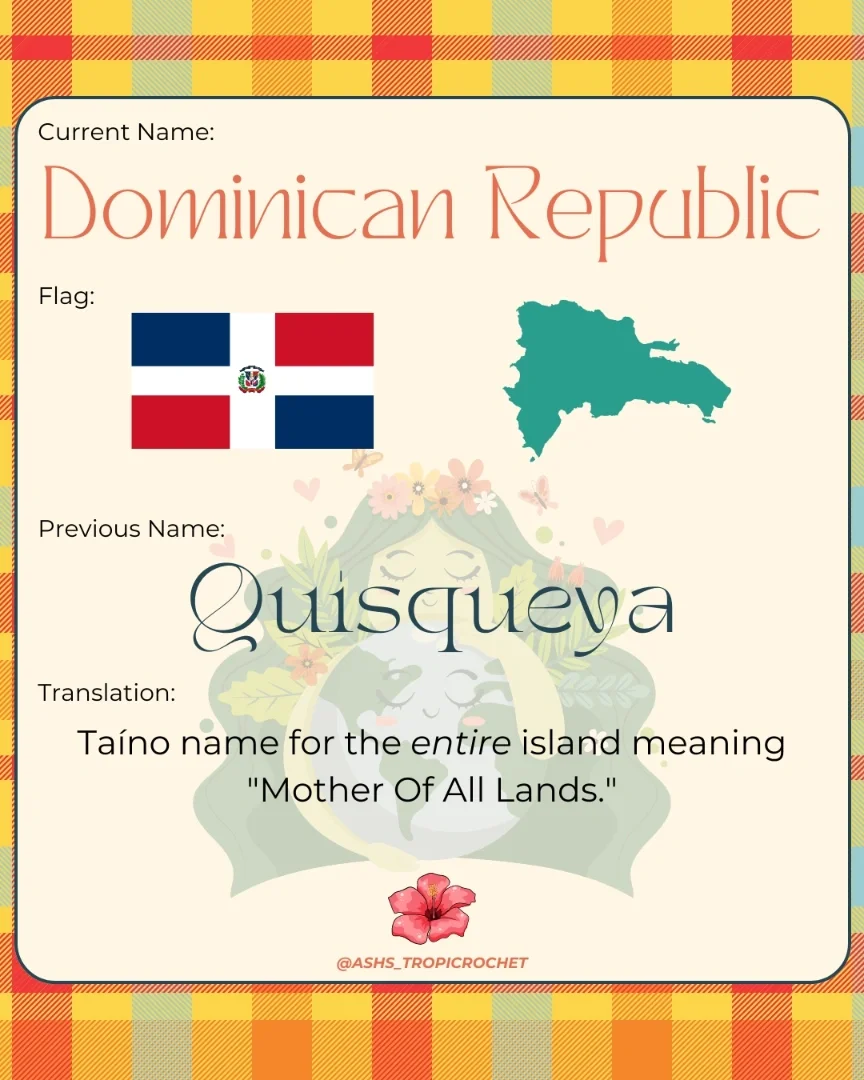
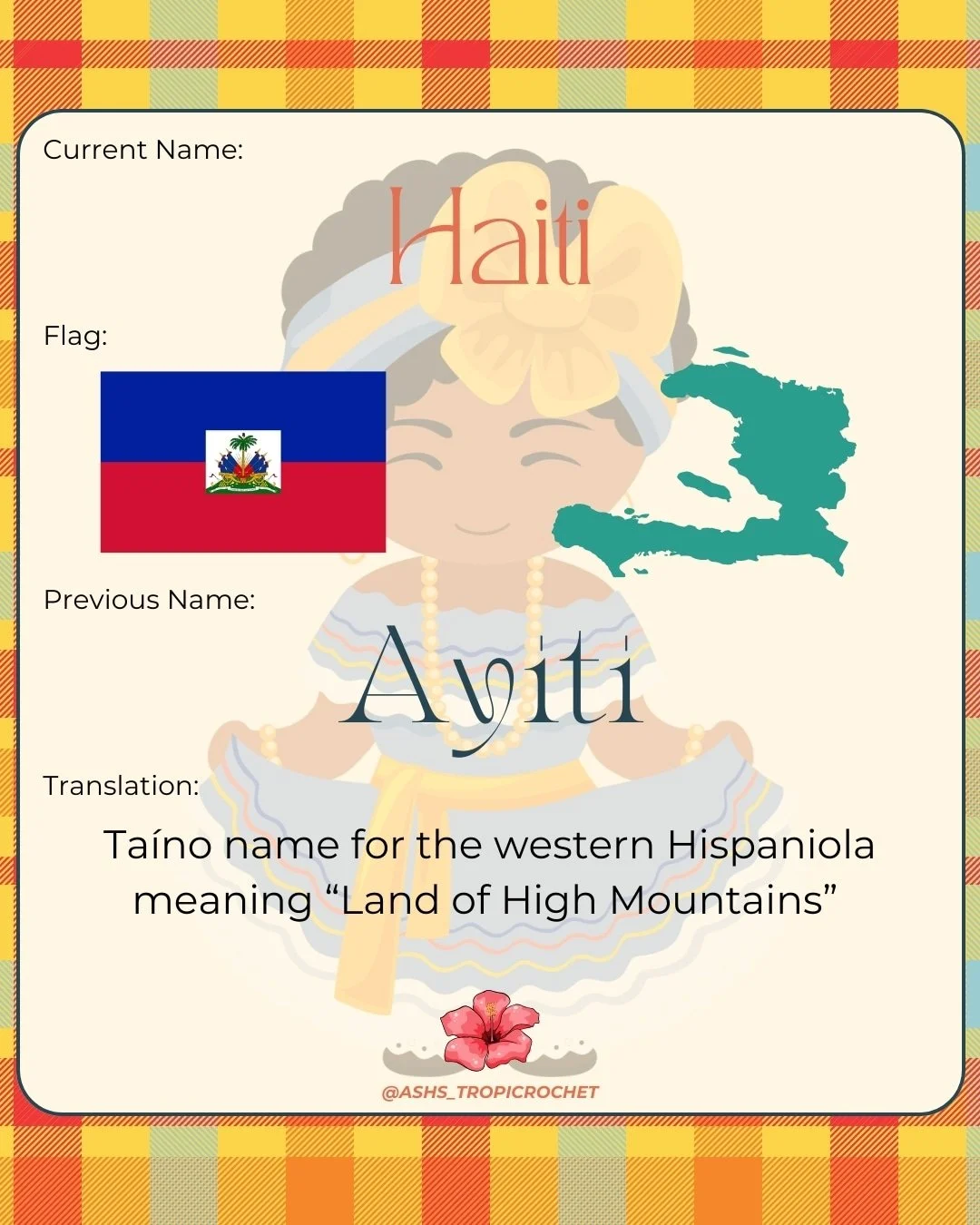
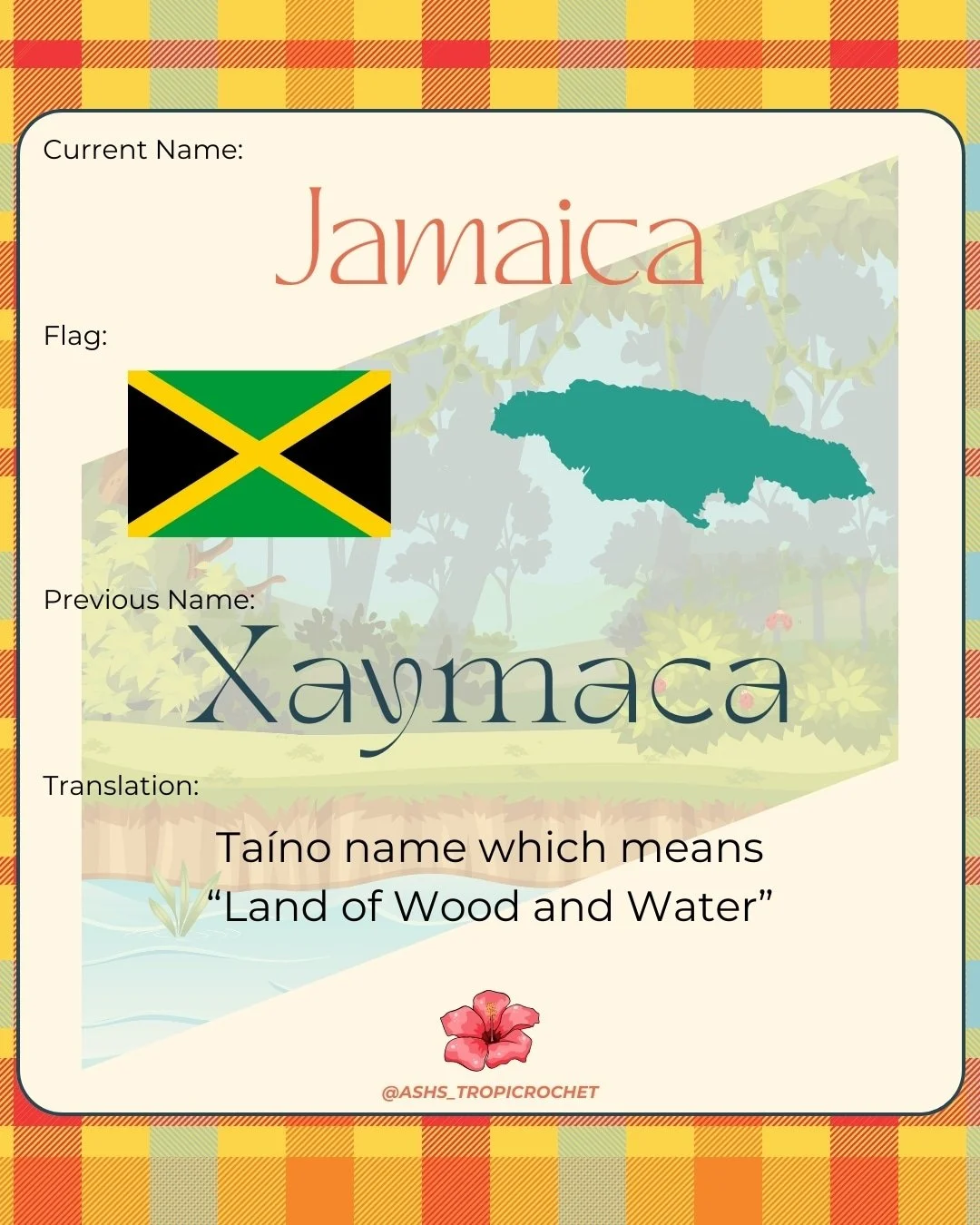
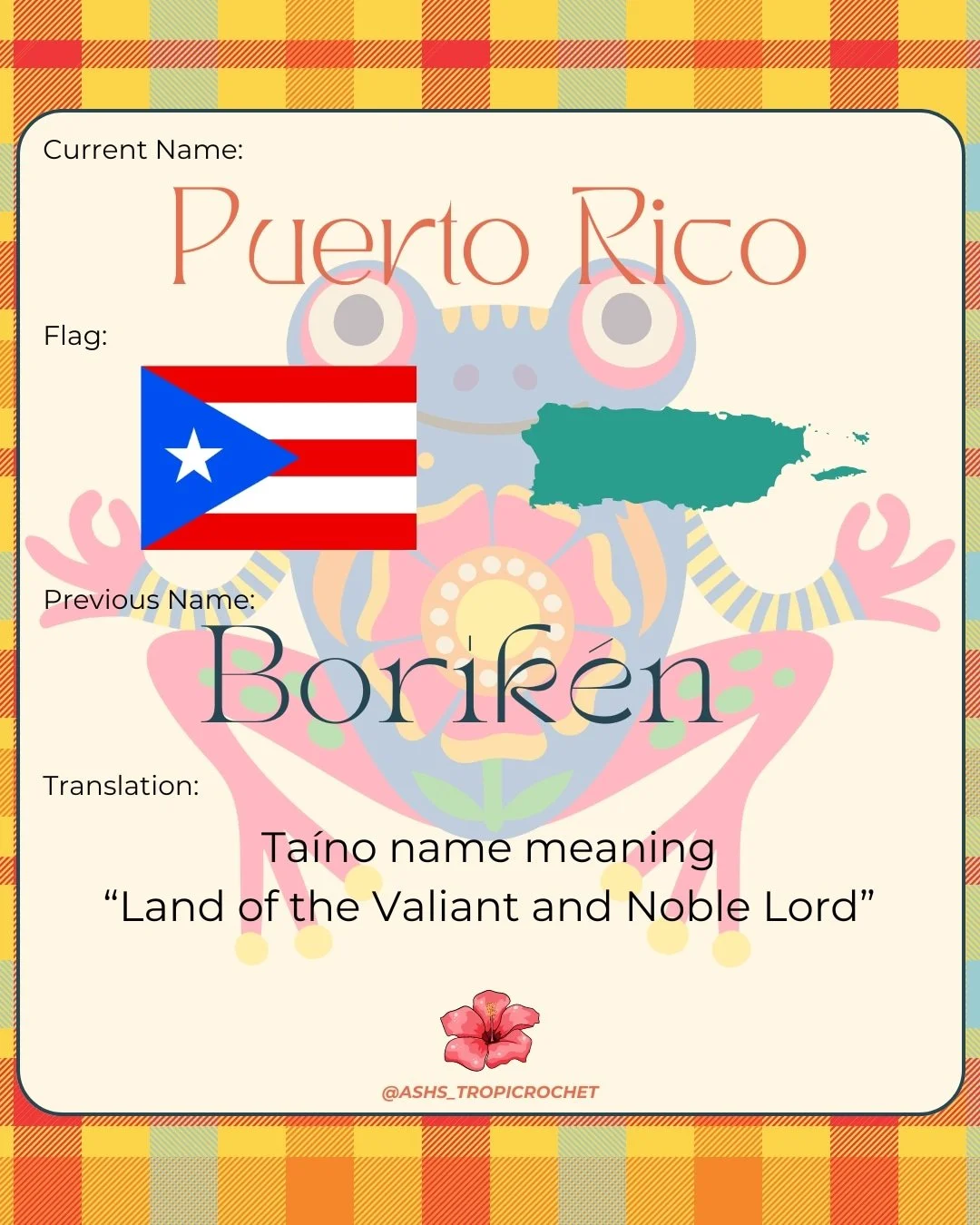
Cuba’s original name is usually recorded as Cubanacán, a Taíno word often translated as roughly “center place” or “place in the middle” — though linguists still debate whether that referred to the whole island or just its fertile interior. Jamaica has kept its Indigenous name almost unchanged: Xaymaca, “land of wood and water,” a fitting description of an island covered in forest and fed by hundreds of rivers and springs. Hispaniola carried at least two names depending on which end of the island you stood on — Ayiti, “mountainous land,” in the west (the direct root of modern Haiti), and Quisqueya, often translated as “mother of all lands,” used more broadly and still a common nickname for the Dominican Republic today. Puerto Rico was Borikén, also spelled Borinquen — “land of the valiant and noble lord” — the source of Boricua, the term Puerto Ricans still use for themselves.
The Lesser Antilles
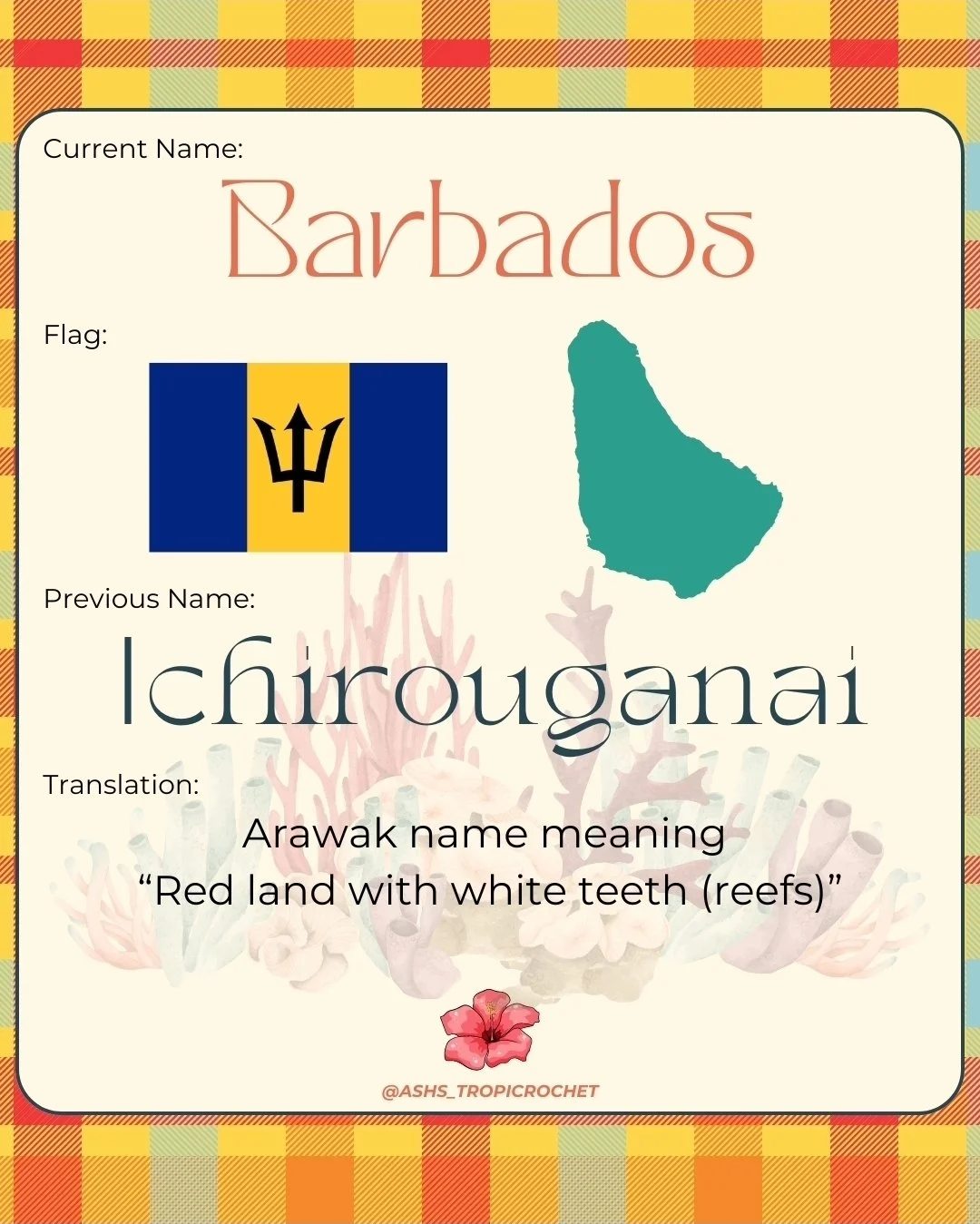
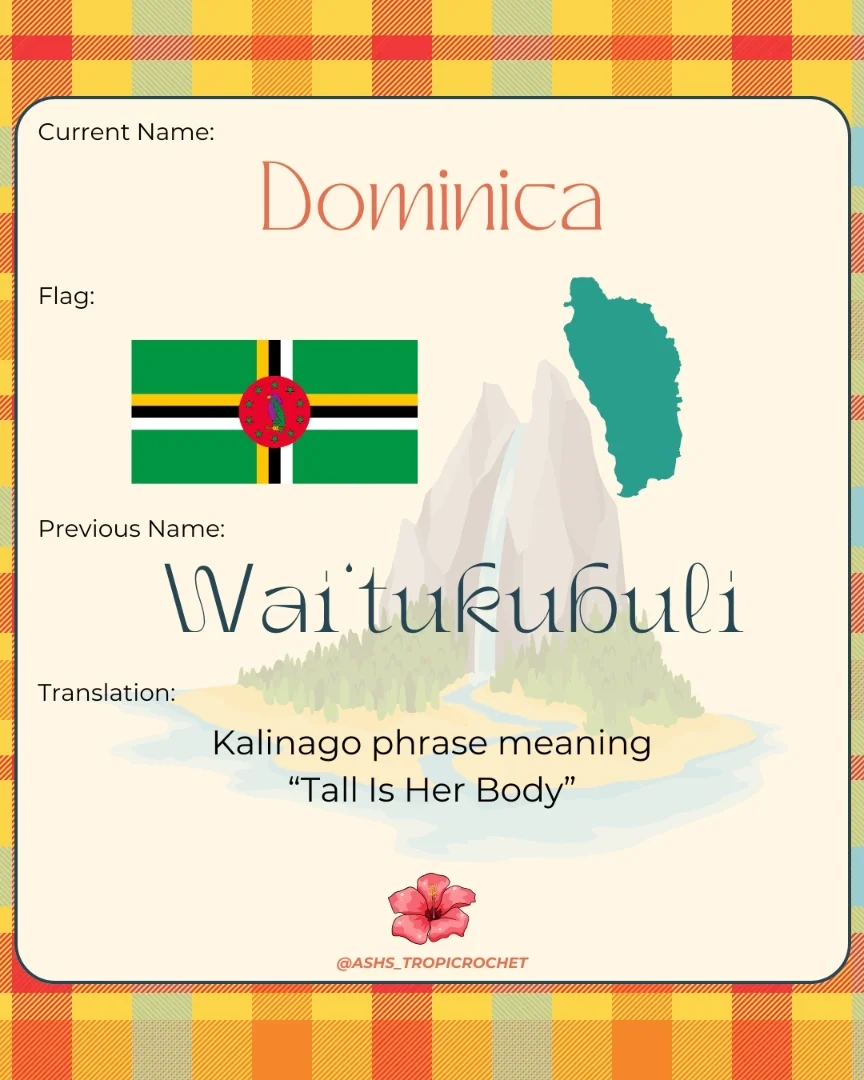
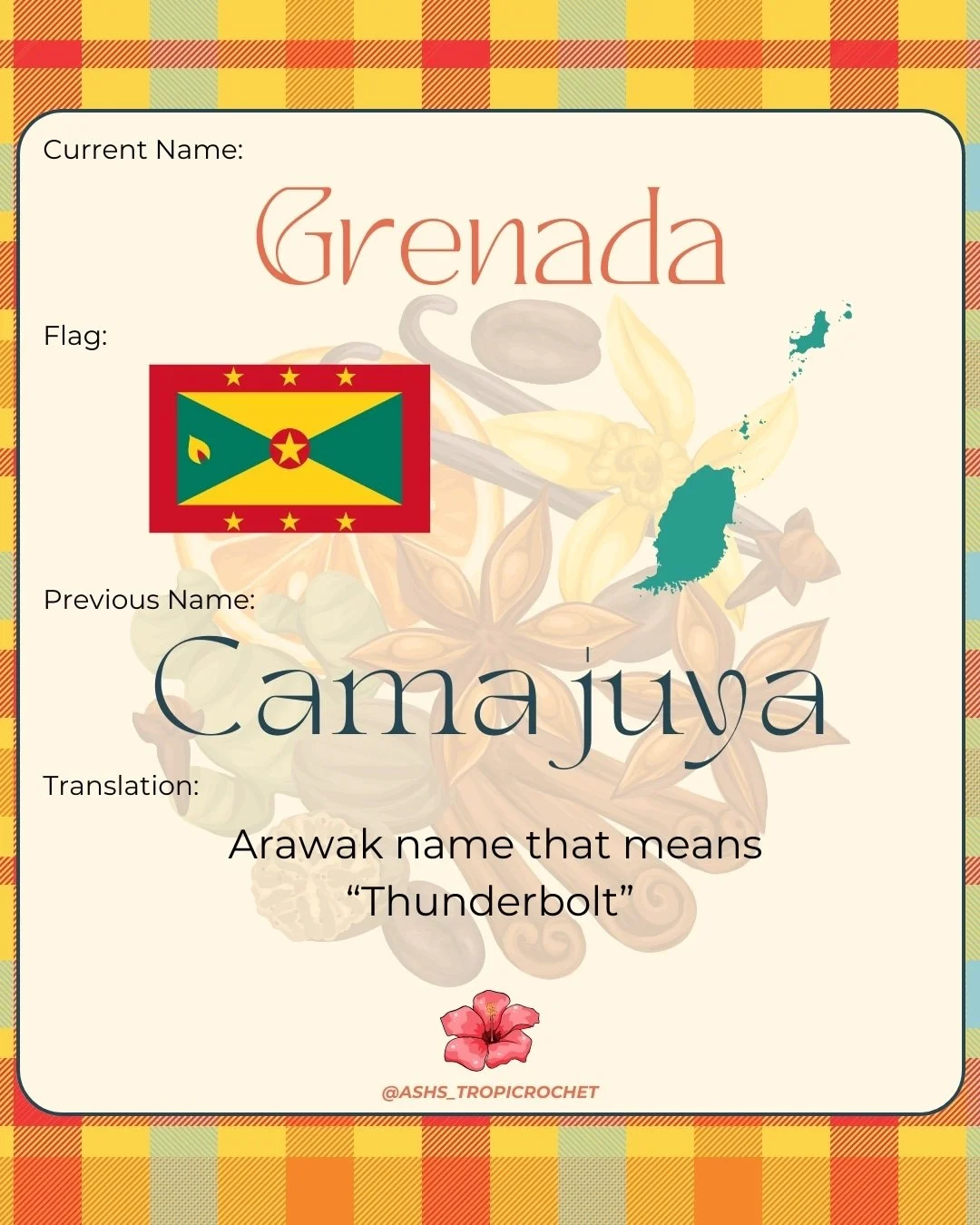
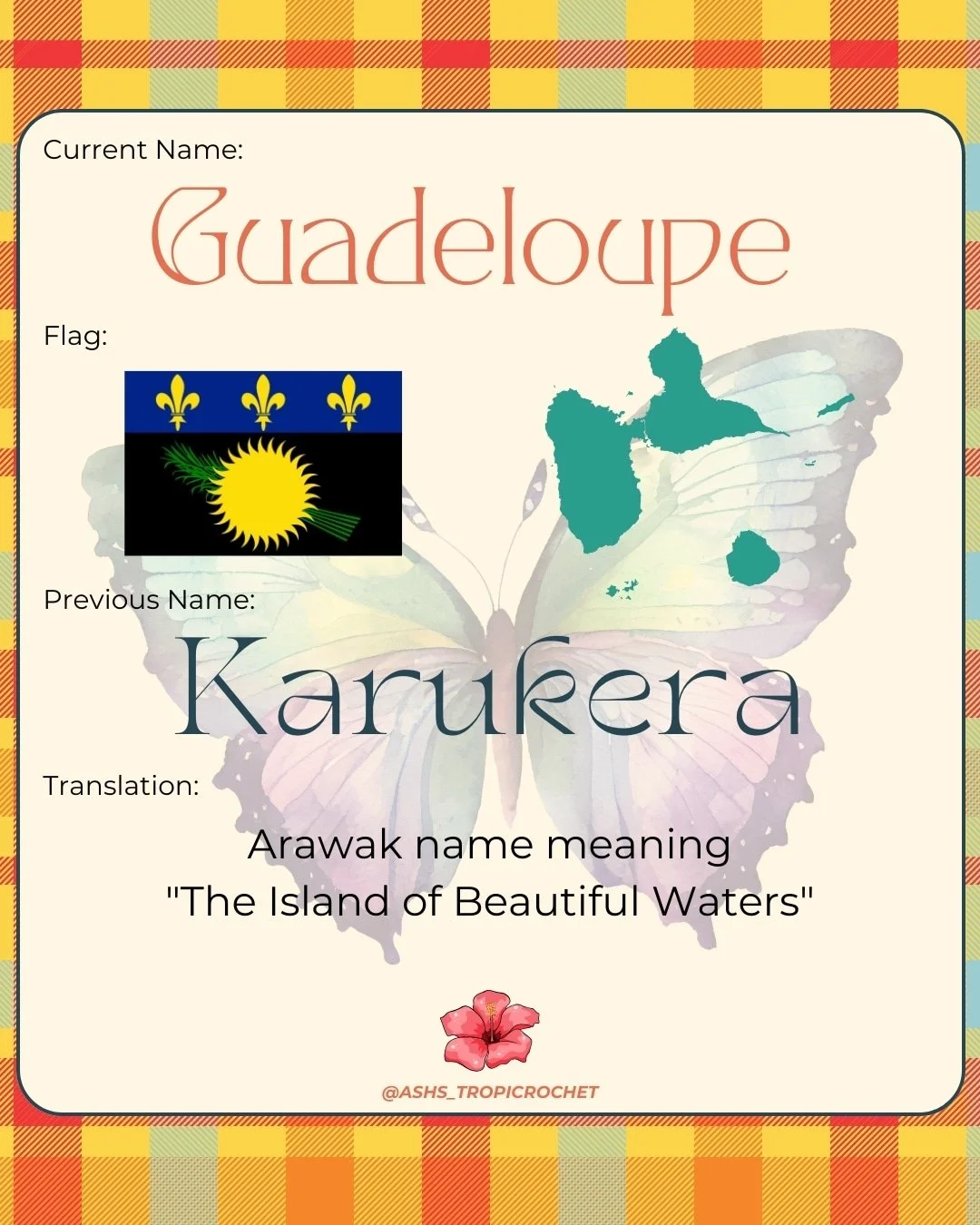
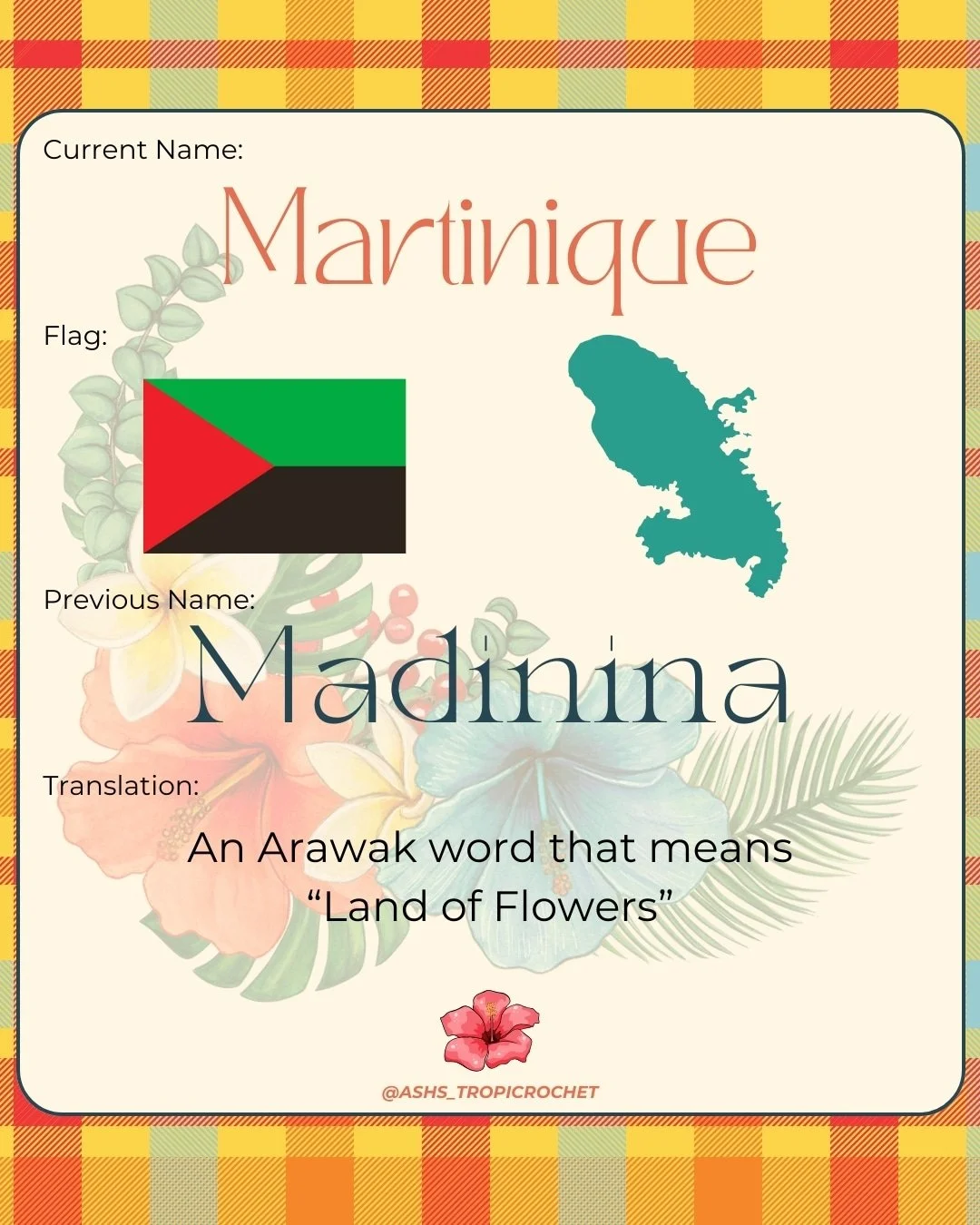
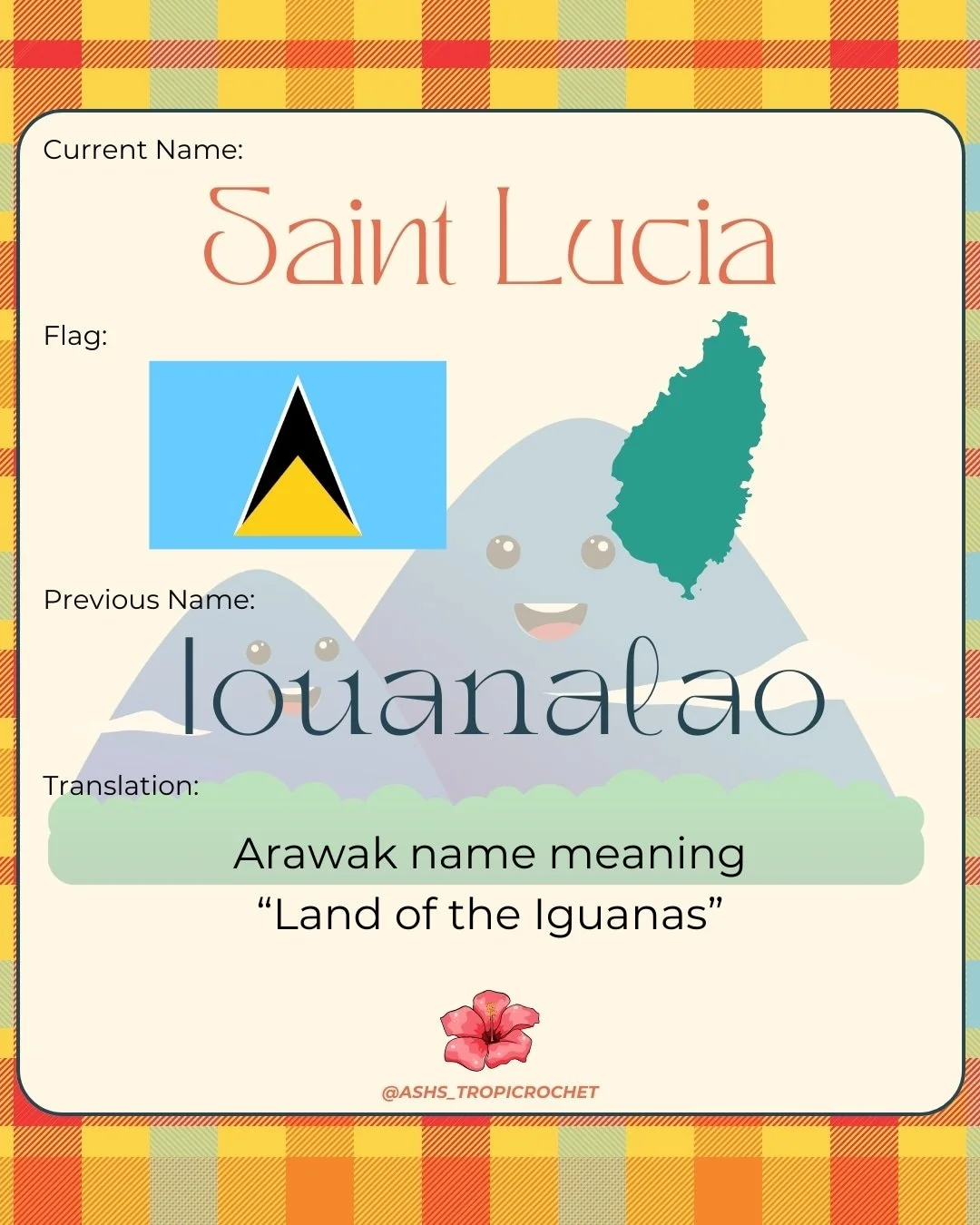
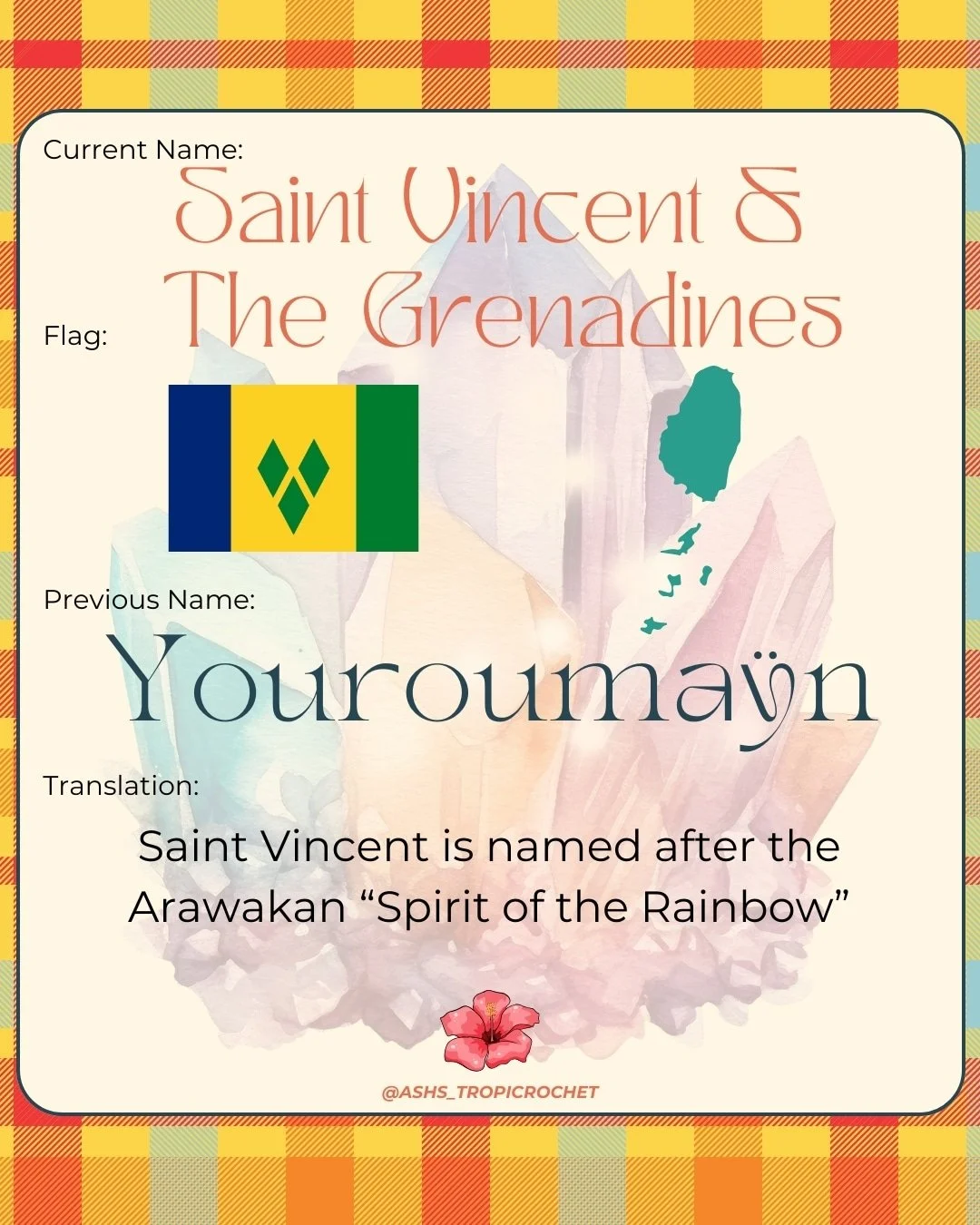
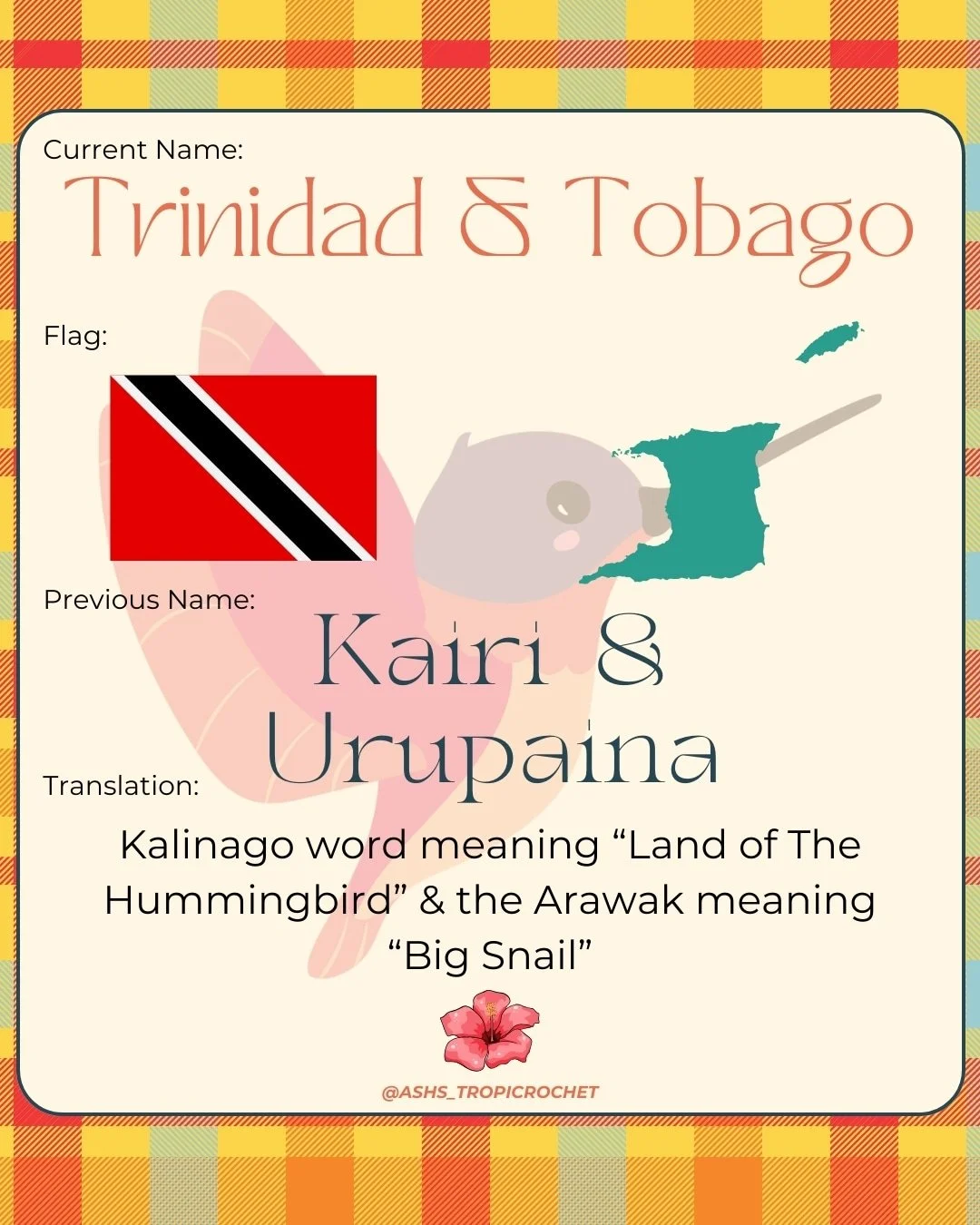
Moving south and east, the names get even more specific. Guadeloupe was Karukera, often translated as “island of beautiful waters.” Dominica was Wai’tukubuli, “tall is her body,” describing its steep, mountainous silhouette from the sea. Martinique was Madinina, “island of flowers,” a nickname still used affectionately today. Saint Lucia carried the name Hewanorra, or Iouanalao, “where the iguana is found.” Saint Vincent was Hairouna, “land of the blessed.” Grenada was Camerhogne. Barbados, further out in the Atlantic, was Ichirouganaim. And Trinidad was Kairi, or Iere — often translated as “land of the hummingbird,” for the birds that are still one of the island’s most recognizable residents.
The Leeward Islands and the Lucayan Islands
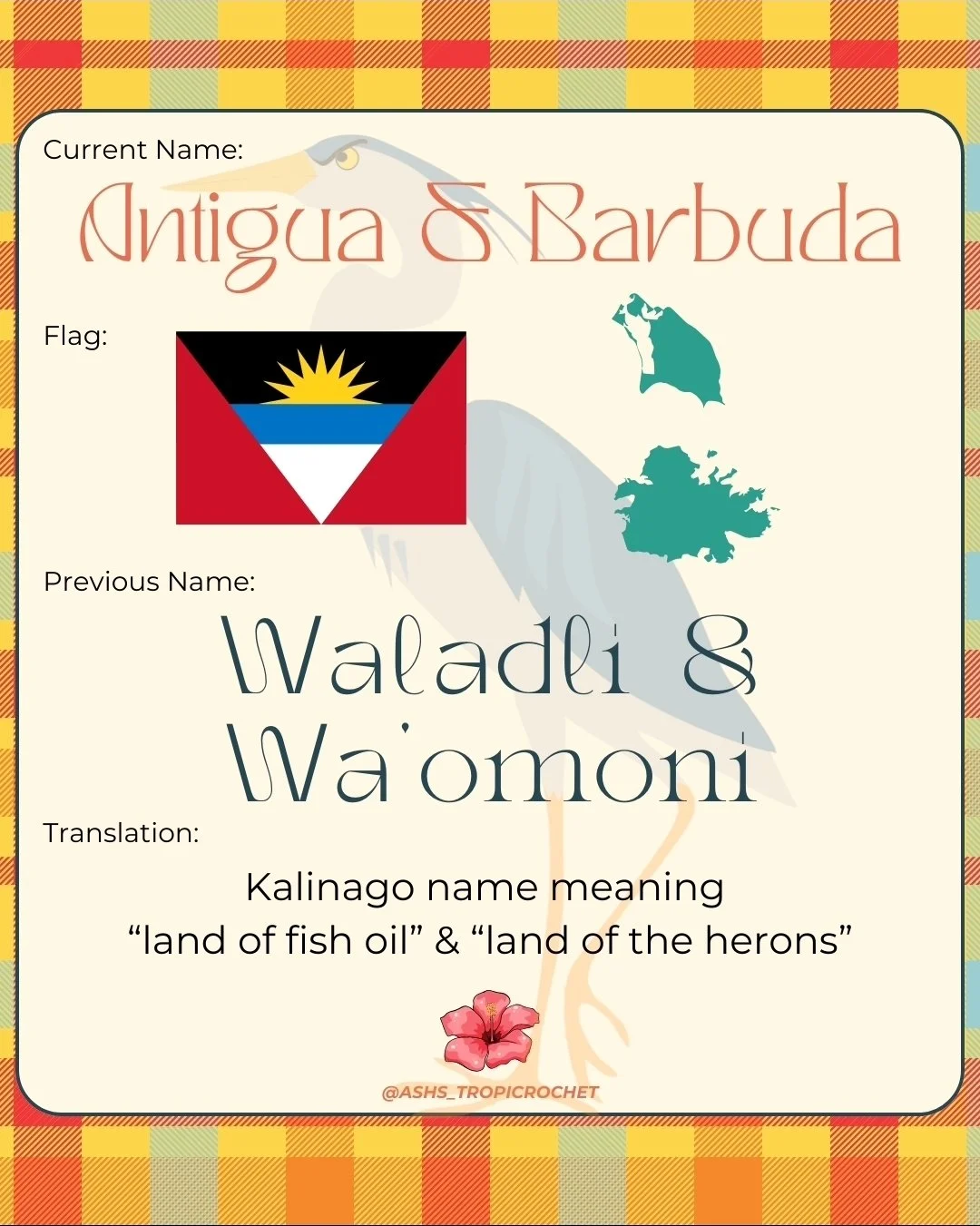
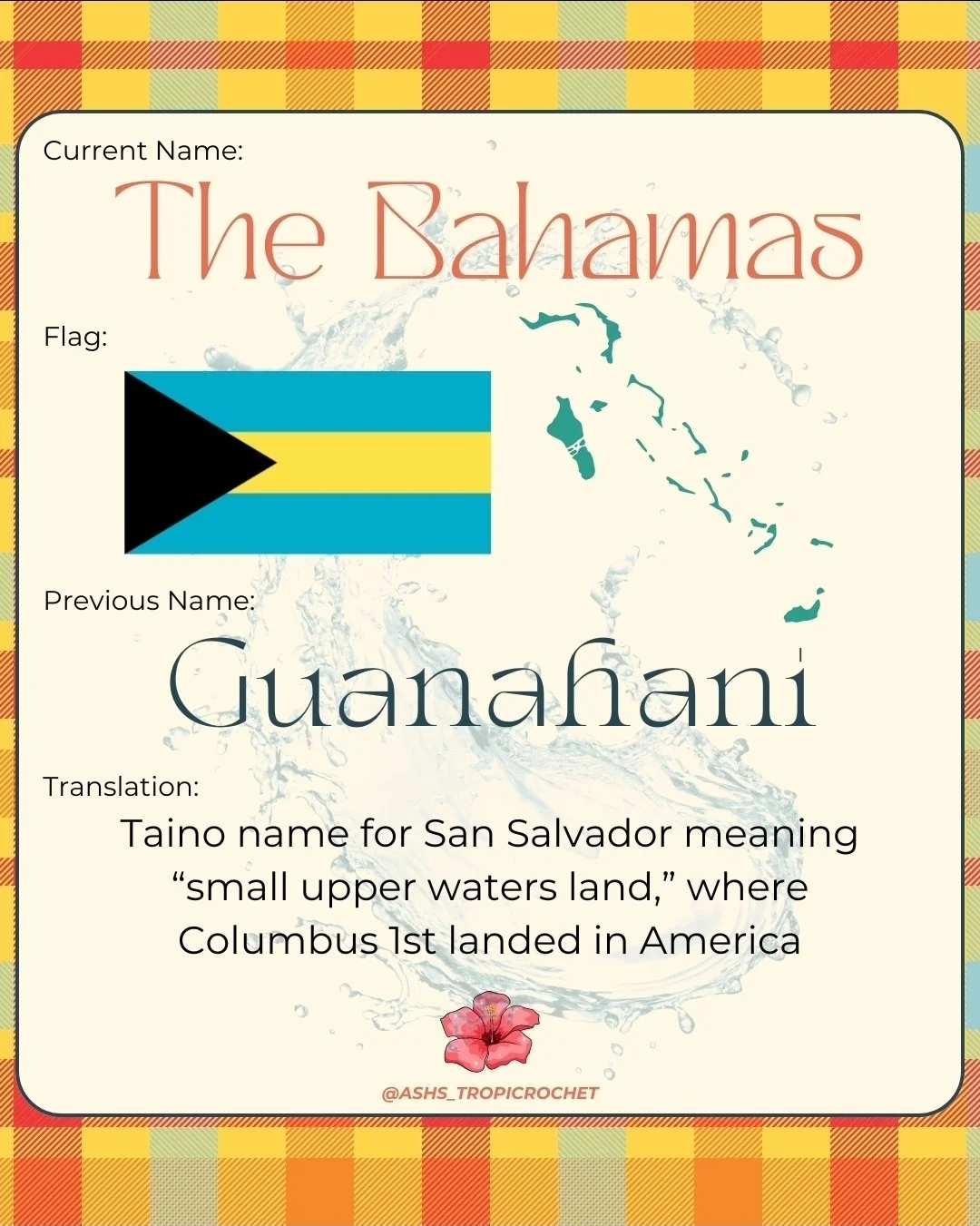
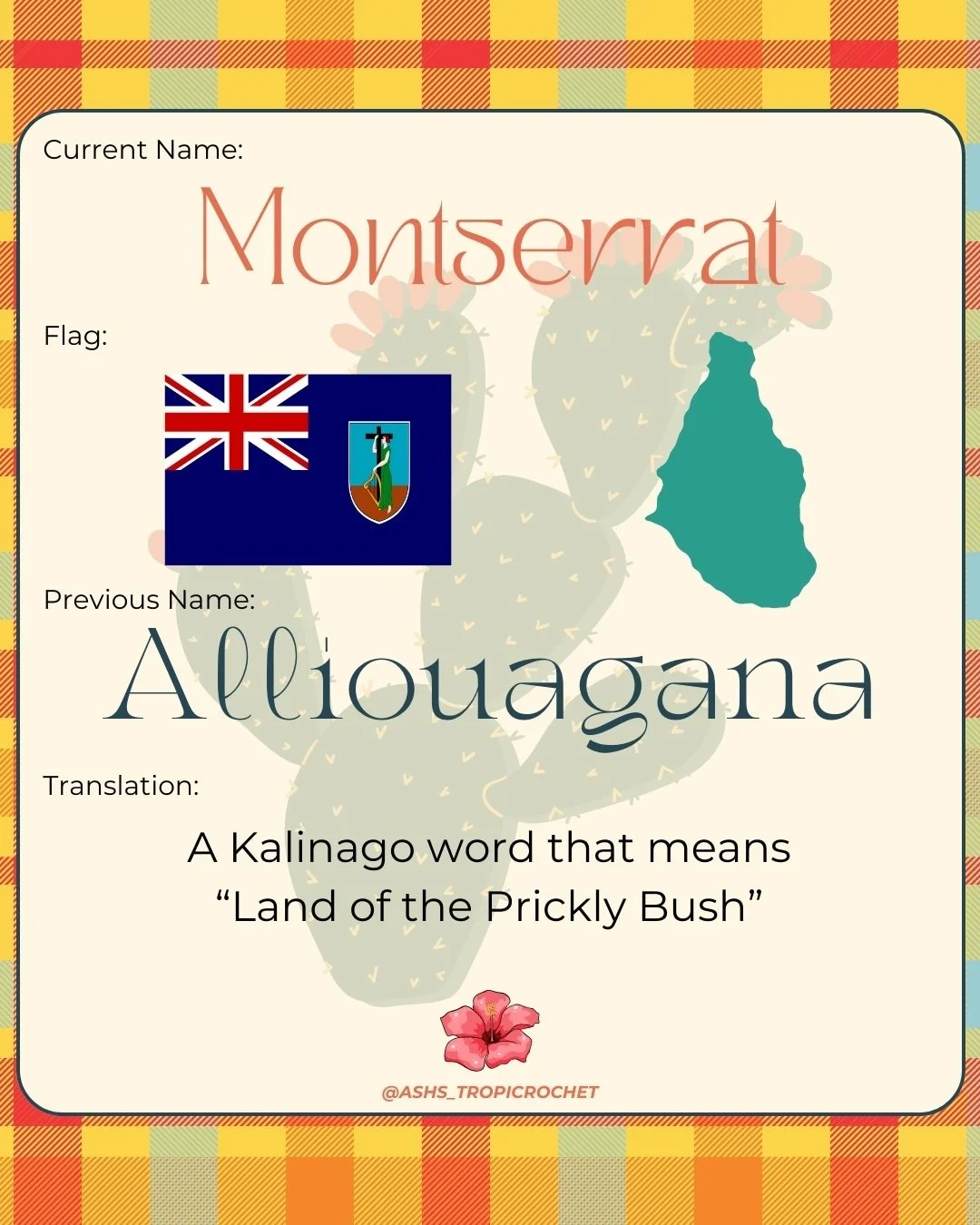
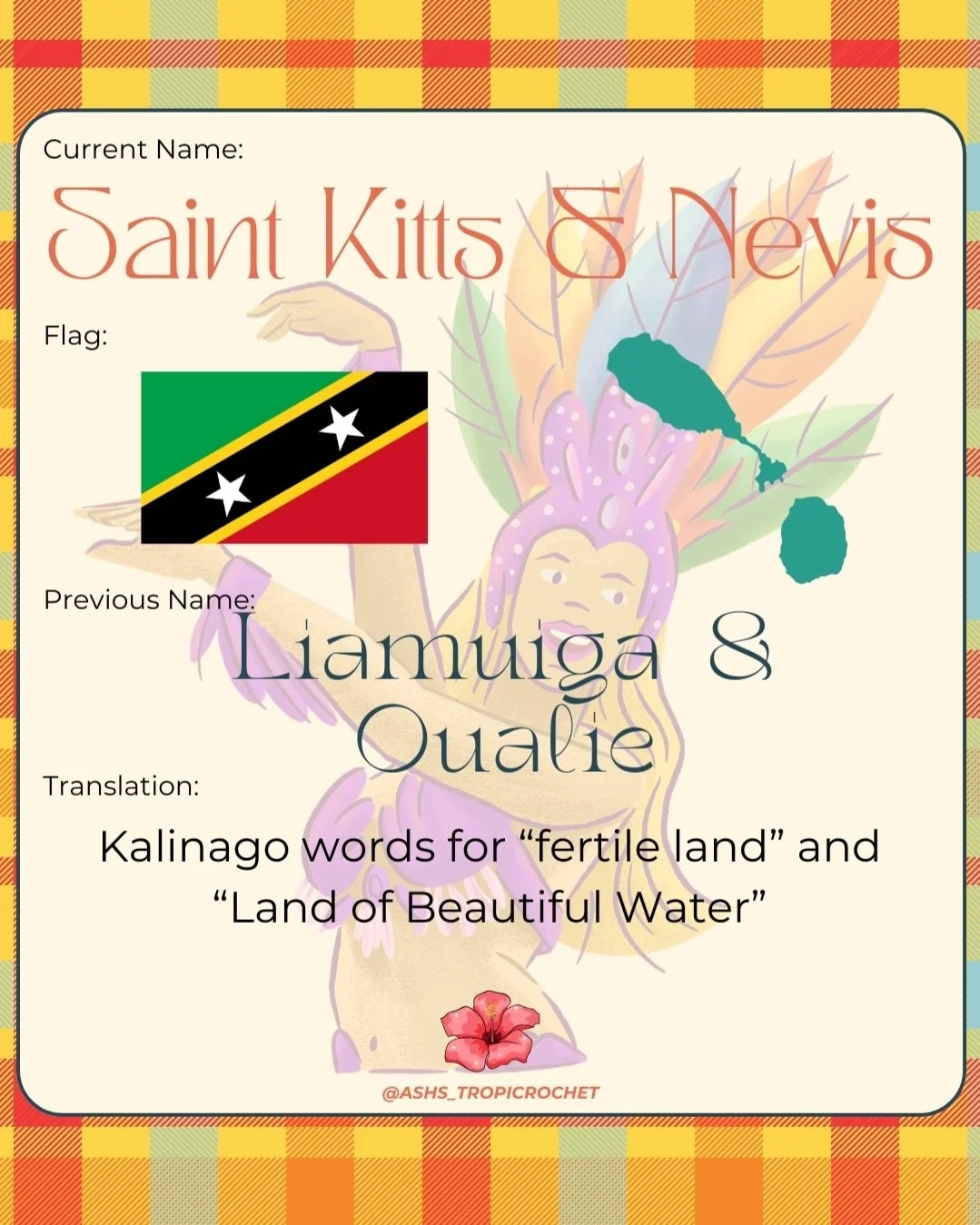
Antigua was Wadadli. Saint Kitts was Liamuiga, “fertile land.” Montserrat was Alliouagana, “land of the prickly bush,” likely a reference to the aloe that grows across the island. And to the north, in what’s now the Bahamas, the Lucayan people had their own names for the low-lying islands and cays — including Guanahaní, the very island where Columbus made his first landfall in the Caribbean on October 12, 1492, before renaming it San Salvador. Historians still debate exactly which island in the Bahamas Guanahaní actually was; several are candidates. But the name itself, and the people who gave it, are well documented.
None of this is ancient history in the way it can feel from a textbook — these names are still used today, in nicknames, in national identity, in the words people use for themselves. It’s part of why “Caribbean-inspired” means something specific to us at TropiCrochet: every piece in our Island Garden and Caribbean Folklore collections is meant as a small, handmade nod to that history, not just a tropical color palette. If this kind of thing interests you, it’s worth sitting with — the islands had stories long before anyone else showed up to write them down.